



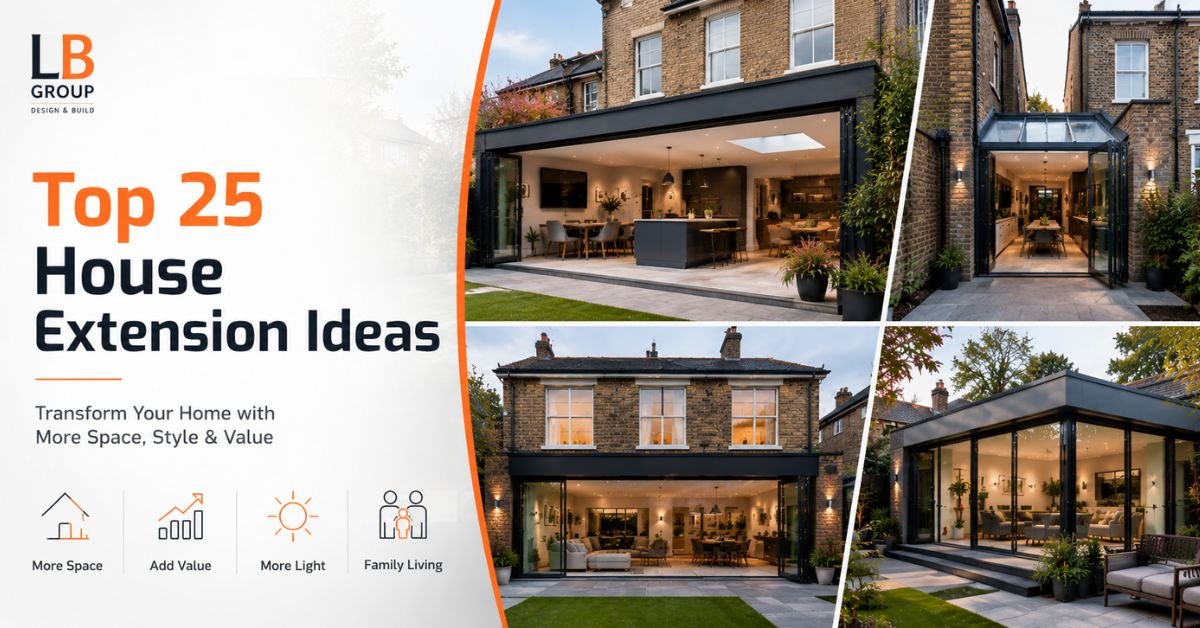
Top 25 House Extension Ideas to Transform Your Home
As property prices in London continue to rise, more and more people are choosing to extend their existing home rather than sell and move to a larger property. This is not only less stressful and more cost-effective but can also provide a fantastic way to tailor your property to your family’s needs and boost its long-term value.
Whether it is a growing family looking for more space, the desire for a larger kitchen or dining area, or a need for a home office for working professionals, a well-planned house extension can be one of the best home improvement projects for enhancing lifestyle and increasing property value.
A well-designed house extension can do much more than add space to your home. It can transform its appearance, functionality, and lifestyle. It can open up your home, creating light and spacious living areas, increasing the number of rooms to suit your family’s needs, and providing additional storage or workspace.
Luxury open-plan living areas, kitchen extensions, modern glass-box extensions, and side-return extensions can all help make your home more comfortable, functional, and stylish while also increasing its long-term market value. In this ultimate house extension guide, we look at 25 of the best house extension ideas to consider for 2026, including practical layouts for everyday family living, luxury extensions, budget-friendly extension projects, and modern contemporary designs that are increasingly popular among London homes.
We have ideas for terraced houses, semi-detached, and detached extensions, as well as period property extensions. We also look at ideas for different budgets and styles, so you can find inspiration for the perfect home extension that suits your property type and lifestyle.
At LB Group, we specialise in designing and constructing high-quality house extensions across London. From rear and wraparound extensions to loft conversions and home transformations, our team of experienced professionals helps homeowners create stunning spaces that combine style, practicality, and long-term value.
Why House Extensions Are So Popular in London
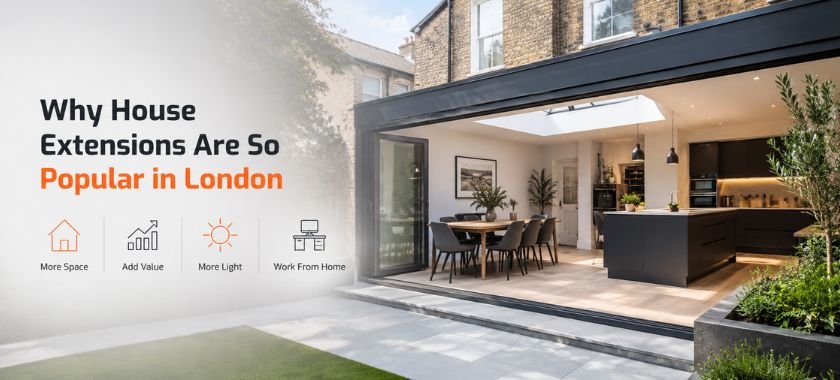
- House extensions in London are a cost-effective way to move up to a bigger property. House prices are soaring, and moving up a band involves stamp duty, legal fees, surveyor’s costs, and removal charges.
- Families with children are not necessarily looking for larger properties; they are simply seeking more space than they have now. If they already love the location, schools, and local amenities, then extending their current home can be a sensible option.
- Hybrid and remote working mean people are more likely to extend home office space, create study rooms, or add additional work-from-home areas in the house.
- A high-quality, well-designed house extension can significantly boost a property’s value and is a long-term investment for owners and developers to consider.
- Extensions can be a clever way to utilise underused parts of a property, such as side returns, lofts, garages, cellars, basements, and even outdoor garden extensions.
- Open-plan kitchen-diners and large family living areas have become the norm, meaning people are less keen to retain smaller, separate rooms.
- Extensions can also open up space with more natural light, whether through skylights, roof lanterns, or large glass doors.
- Extending a home can offer the chance to modernise dated layouts and create more practical, open-plan spaces that work with 21st-century lifestyles.
- Terraced and semi-detached houses in particular have great extension potential and offer the chance to dramatically transform a property’s use and layout without moving house.
- Extensions are also in demand as a way to add luxury home improvements, such as home cinemas, entertainment rooms, walk-in wardrobes, utility rooms, and indoor/outdoor living spaces.
Things to Consider Before Planning a House Extension
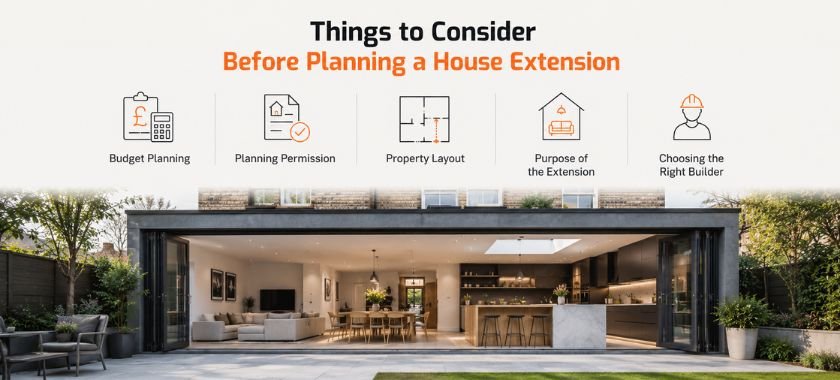
Planning an extension to your house is a big investment, and it’s easy to get carried away when designing one. By taking time to do things properly and prepare as much as possible, you can avoid excess costs, delays, and design errors. Here are some key things to consider before you begin your home extension project.
Budget Planning
Before you begin your extension project, it’s important to have a realistic budget that covers more than just construction work.
- Building costs will vary depending on the size of the extension you require, your choice of materials and labour, and the complexity of the design.
- Interior finishes, including flooring, lighting, kitchens, bathrooms, painting and decorating, and furniture, should all form part of your overall budget.
- If structural changes are needed, this will also affect costs, particularly if steel beams, wall removal, or foundation reinforcement are necessary.
- Planning fees, architectural drawings, building regulations, drainage work, skip hire, and the cost of living elsewhere. In contrast, the work being done is another hidden cost you shouldn’t forget to include in your budget.
- Having a contingency budget to cover any unforeseen work during construction is also a good idea.
Planning Permission
Get a good grasp of planning regulations before breaking ground on your extension project to save time and avoid legal issues later on.
- Some home extensions can be done without full planning permission under permitted development rights for certain types of work.
- The permitted development rules apply to extensions that meet specific parameters, such as size, height, and design criteria.
- Typically, you would need to seek planning permission for larger extensions, double-storey extensions, homes in conservation areas, or on listed properties.
- Planning permission rules for extensions can vary from one council to another across different London boroughs.
- The writer or agency recommends seeking expert advice to ensure compliance before commencing work.
- If you do not need planning permission, building regulations approval is still required for construction work to ensure structural safety and compliance.
Property Layout
Your current home layout and structure largely dictate which extension makes the most sense.
- Free space outside the home can determine whether a rear extension, side return extension, wraparound extension, or garden room is possible.
- Construction limitations can be a major factor in determining which extensions are possible.
- Issues such as whether walls can be removed safely and whether additional structural support is needed must be considered.
- Flow of natural light into the home is an important consideration when you want to avoid creating dark or closed-in spaces.
- Windows, roof lanterns, skylights, and bi-fold doors can all be employed to create the brightest and most well-ventilated extension possible.
- Ideally, your new extension should feel like a natural extension of your existing home layout, both practically and aesthetically.
Purpose of the Extension
Identifying why you need a home extension can also help you to avoid ending up with a room that doesn’t suit your lifestyle or your future needs.
- Kitchen extensions are often used to create larger open-plan spaces for cooking and dining.
- Bedroom extensions can offer additional space for growing families, guest bedrooms, or en-suite master bedrooms.
- Home office extensions have become popular for people with remote and hybrid working lifestyles.
- Extensions for rental purposes or tenants include self-contained annexe extensions and the creation of additional living space.
- Extensions designed for entertainment can include home cinemas, games rooms, bars, gyms, or indoor-outdoor social spaces.
- Knowing how you intend to use the space can also inform the layout, lighting, storage, and interior design choices.
Choosing the Right Builder
Choosing the right, reliable builder is one of the key decisions in any house extension project.
- Find a construction company that has a proven track record in the type of house extension that you are planning.
- Having time to look through previous projects and portfolios is useful for getting an idea of craftsmanship quality and design capabilities.
- Make sure the builder has the appropriate insurance and adheres to all health and safety standards.
- Transparent, up-front pricing is critical so you don’t end up with hidden costs or a suddenly ballooning budget halfway through the build.
- Communication, realistic time scales, and detailed contracts are all good indicators of a reputable building company to work with.
- By working with experienced and professional teams like those at LB Group, you can be confident that your extension project will run smoothly from start to finish.
Top 25 House Extension Ideas
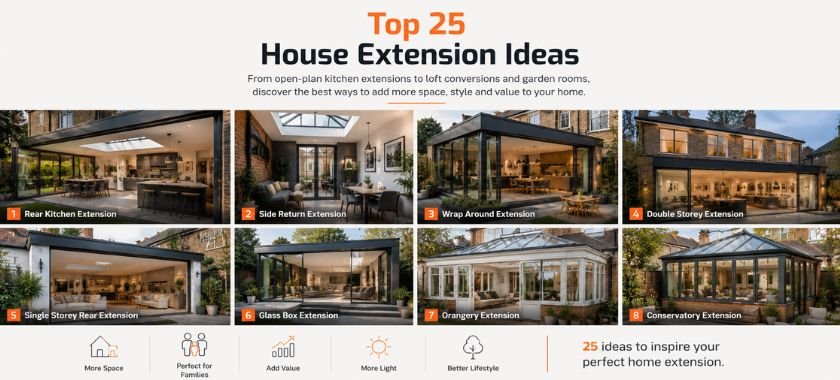
1. Rear Kitchen Extension
A rear kitchen extension is a type of home extension that is built at the back of a property. Rear kitchen extensions are one of the most popular types of home extensions, as they offer a lot of extra space and can be built relatively easily. This type of extension is perfect for homeowners who want to create a larger, more open-plan kitchen-diner that can be the hub of family life.
Homeowners who choose to build a rear kitchen extension often do so to create a more social space where they can cook and eat together as a family. This type of extension can also be a great way to add value to your home, as they are usually very popular with buyers. The good news is that there are plenty of ways to build a rear kitchen extension so that you can find the perfect option for your needs and budget.
Kitchen islands, breakfast bars, and integrated dining areas can all help create a modern, social environment that is perfect for both daily life and entertaining. Large bi-fold or sliding glass doors are also commonly added to allow indoor space to flow seamlessly into the garden, increasing natural light in the property and further improving the sense of space.
Rear kitchen extensions are especially popular for family homes where homeowners want better flow between the kitchen, dining area, and living space.
2. Side Return Extension
Side return extensions are a popular choice for homeowners living in Victorian and terraced houses across London. These types of extensions make use of the narrow alleyway space often found along the side of the property and can completely transform a home’s functionality, even though the extra width appears relatively small.
Side return extensions are commonly used to expand kitchens that are too small or cramped in their existing form, or to create wider dining or living spaces without encroaching too much on the garden area. Rooflights and glass ceilings are also frequently incorporated to ensure that the new extension is well-lit and does not feel closed in.
3. Wrap Around Extension
A wrap-around extension is essentially a combination of a rear extension and a side return extension, creating a much larger, more dramatic extension. Wrap-around extensions are a popular choice for homeowners who want a much more spacious open-plan layout with multiple zones for cooking, dining, relaxing, and entertaining.
Wrap-around extensions are often designed with luxury modern interiors, large kitchen islands, statement lighting, and floor-to-ceiling glazing. This type of extension also offers excellent flexibility in layout design and can be tailored to create a premium, contemporary living experience that homeowners will love.
4. Double Storey Extension
Double-storey extensions add living space to both the ground floor and first floor of a property. Downstairs homeowners usually create larger kitchens, living rooms, or dining spaces. Upstairs is typically used for additional bedrooms, bathrooms, or home offices.
Upfront costs can be higher than for single-storey extensions. Still, double-storey extensions can be more cost-effective per square metre because the same foundations and roofing structure support two floors. Double-storey extensions are also an excellent choice for growing families that need a lot of additional living space.
5. Single Storey Rear Extension
Single-storey rear extensions are among the most affordable and straightforward ways to extend a home. They are highly versatile and can be used to enlarge a kitchen, create a dining room, or add family living space without requiring major structural changes to the entire property.
This type of extension is especially popular among homeowners who want extra living space without the disruption that can accompany larger renovation projects. Single-storey rear extensions often incorporate skylights, roof lanterns, and wide glass doors to create a bright, welcoming environment.
6. Glass Box Extension
Glass box extensions are becoming increasingly popular in modern architecture, thanks to their sleek and contemporary appearance. These types of extensions feature large glass walls, frameless corners, and minimalist structural designs, which create a highly striking visual effect.
One of the biggest advantages of a glass box extension is the significant amount of natural light it introduces into the home. Not only does this type of extension create a seamless connection between indoor and outdoor living areas, but it also gives the property a luxurious, high-end feel that really stands out from other extension styles.
7. Orangery Extension
An orangery extension is a perfect middle ground between a conservatory and a traditional extension. It combines solid structural elements with large windows and elegant roof lanterns to create a bright yet comfortable living space.
Orangeries are a popular choice for dining rooms, lounges, and garden-facing sitting areas. Their classic, sophisticated appearance also makes them a great choice for homeowners who want a timeless design that feels both luxurious and practical.
8. Conservatory Extension
Conservatory extensions are another popular choice among homeowners who are looking for a budget-friendly way to add extra living space and enjoy views of their garden throughout the year. Modern conservatories are also far more energy-efficient than older designs, thanks to improved glazing and insulation technology.
Ideal spaces for relaxing, casual dining areas, reading rooms or sunrooms, conservatories can now be comfortably used all year round with the addition of proper heating and insulated roofing options.
9. Loft Conversion Extension
A loft conversion is one of the smartest ways to utilise previously unused attic space and increase both the property’s living space and value. Depending on the design of the conversion, homeowners can create additional bedrooms, home offices, guest suites, playrooms, or creative studios.
Loft conversions are particularly valuable in urban areas where outdoor space for extension work is limited. Dormer, mansard, and hip-to-gable loft conversions are among the most popular styles used in London homes.
10. Basement Extension
Basement extensions are becoming increasingly popular in London, where property prices are high and outdoor space is at a premium. By converting the basement into living space, homeowners can increase the size of their property without altering the home’s exterior.
Luxury basement extensions often include home cinemas, gyms, wine cellars, entertainment rooms, guest suites, or additional family living spaces. Although basement projects can be more complex than other extension works, they offer excellent long-term value and functionality.
11. Open-Plan Living Extension
Open-plan living extensions are designed to merge the kitchen, dining room, and living area into a single, connected space. This layout style has become a major trend among modern families who prefer sociable, flexible living environments.
Large open-plan spaces also improve the flow of natural light, make entertaining much easier, and create a more spacious atmosphere throughout the home. Design features such as kitchen islands, zoning furniture, and wide glass doors can further enhance the functionality and aesthetics of an open-plan living extension.
12. Home Office Extension
With remote and hybrid working becoming increasingly common, home office extensions are a highly practical investment for many homeowners. A dedicated office space can significantly improve productivity while also separating work life from personal living areas.
Modern office extensions will often include soundproofing, built-in storage, ergonomic layouts, and large windows to maximise natural light. Garden-facing home offices are particularly popular because they create a calm, focused working environment.
13. Garden Room Extension
A garden room extension is a great way to add a peaceful, flexible living space that is separate from the main home. Garden rooms are commonly used as home gyms, offices, yoga studios, hobby rooms, or relaxation areas.
Large glazing panels and garden-facing designs also help to create a calming atmosphere which maximises outdoor views. Garden rooms are particularly useful for homeowners who want extra space without major structural changes to their main property.
14. Utility Room Extension
A utility room extension is a very practical solution for homeowners seeking additional storage and a dedicated laundry room. Utility rooms help to keep washing machines, dryers, cleaning products, and household clutter separate from the main kitchen area.
Utility room extensions will improve organisation, increase storage capacity, and create a cleaner, more efficient household layout, particularly important for larger families.
15. Extension With Roof Lantern
Roof lanterns are one of the most effective ways to bring natural light into an extension. They are usually positioned above kitchens, dining rooms, or living areas and create a bright, open atmosphere while serving as a striking architectural feature.
Roof lanterns work particularly well with modern flat roof extensions and are the perfect way to make these spaces feel even larger, more luxurious, and visually impressive.
16. Dining Room Extension
Dedicated dining room extensions are ideal for homeowners who love hosting family get-togethers, dinner parties, and celebrations. Dining room spaces can be designed with open-plan layouts or more formal settings, depending on the homeowner’s style preferences.
Large windows, bi-fold doors, and garden-facing seating areas also help to create indoor-outdoor dining experiences that feel spacious and inviting.
17. Bedroom Extension
Bedroom extensions are ideal for growing families or homeowners who need additional guest accommodation. Ground-floor bedroom extensions are particularly useful for elderly relatives or families who are living in multi-generational properties.
Additional features such as en-suite bathrooms, walk-in wardrobes, and extra storage can further improve the comfort, functionality, and value of a bedroom extension.
18. Garage Conversion Extension
Homeowners are increasingly choosing to convert their unused garages into valuable living space, rather than leaving them underused for storage. Garage conversions are often more affordable than full extensions, as much of the existing structure is already in place.
Converted garages can become bedrooms, home gyms, offices, playrooms, or additional lounges, depending on the homeowner’s needs.
19. Indoor-Outdoor Extension
Indoor-outdoor extensions are designed to create a seamless connection between the home’s interior and the garden. Large sliding or bi-fold doors can be used to fully open the space during warmer months, making the home feel larger and more connected to nature.
Indoor-outdoor extensions are particularly popular for entertaining and family living, as they create flexible social spaces with excellent natural light and ventilation.
20. Modern Minimalist Extension
Modern minimalist extensions focus on simplicity, clean lines, and uncluttered design. Flat roofs, neutral colour palettes, hidden storage, and contemporary materials such as glass, steel, and concrete are often used.
This type of extension style creates a sleek, elegant appearance while still maintaining a calm, spacious atmosphere throughout the home.
21. Traditional Brick Extension
Traditional brick extensions are perfect for homeowners who want their new addition to blend naturally with the original architecture. Matching brickwork, roof tiles, and window styles will help create a seamless, timeless appearance.
This style of extension is particularly well-suited to period homes, semi-detached properties, and traditional London houses where maintaining character is important.
22. Extension With Skylights
Skylights are a simple but highly effective way to brighten darker areas of a home. They allow sunlight to enter the property from above, helping to make extensions feel more open, airy, and energy-efficient during the daytime.
Skylights are often added to kitchens, hallways, dining spaces, and side return extensions where other design factors can limit the introduction of natural light.
23. Multi-Functional Family Room Extension
Multi-functional family room extensions are designed to accommodate a range of activities throughout the day. These types of spaces often combine a play area, TV lounge, study space, and relaxation zone in a single, flexible layout.
Built-in storage, modular furniture, and open-plan designs will help to maximise the practicality of the space while keeping the extension organised and comfortable for the entire family.
24. Luxury Entertainment Extension
Luxury entertainment extensions are designed for homeowners who want dedicated social and recreational spaces in their properties. Popular features include home bars, cinema rooms, gaming zones, pool tables, and entertainment lounges.
These extensions are perfect for hosting guests and creating a premium lifestyle experience without leaving home.
25. Eco-Friendly Sustainable Extension
Eco-friendly extensions are becoming increasingly popular as homeowners place greater emphasis on sustainability and energy efficiency. Modern sustainable extensions will often include solar panels, energy-efficient glazing, underfloor heating, and eco-friendly building materials.
Smart home integration systems can also be further incorporated to improve energy management, lighting control, and overall efficiency, while helping keep long-term energy costs to a minimum.
Which House Extension Adds the Most Value?
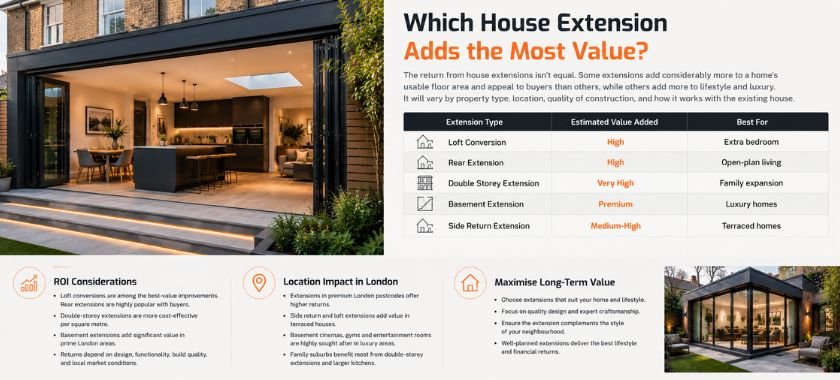
The return from house extensions isn’t equal. Some extensions add considerably more to a home’s usable floor area and appeal to buyers than others, while others add more to lifestyle and luxury. It will vary by property type, location, quality of construction, and how it works with the existing house.
| Extension Type | Estimated Value Added | Best For |
| Loft Conversion | High | Extra bedroom |
| Rear Extension | High | Open-plan living |
| Double Storey Extension | Very High | Family expansion |
| Basement Extension | Premium | Luxury homes |
| Side Return Extension | Medium-High | Terraced homes |
ROI Considerations
- Loft conversions can be among the best-value home improvements, as they create extra bedrooms without losing any outdoor space.
- Rear extensions and open-plan kitchen extensions are highly popular among today’s buyers and can greatly increase resale appeal.
- Double-storey extensions can be more cost-effective on a square metre basis than single-storey extensions, as they create space on two floors with the same foundations and roof.
- Basement extensions can also add significant value in prime London areas where outdoor space is at a premium and luxury living space is in high demand.
- In all cases, returns will depend on design, functionality, build quality, and local housing market conditions.
Location Impact in London
- Extensions in premium London postcodes are more likely to pay off handsomely due to the higher prices larger houses command.
- Side return and loft extensions are also more likely to add value in terraced houses, making the most of every square inch.
- Basement cinemas, gyms, and entertainment rooms are in high demand in luxury hotspots, along with quirky architectural extensions.
- It’s more common for family-oriented suburbs to benefit most from double-storey extensions, larger kitchens, and more bedrooms.
- Extensions that fit the neighbourhood’s style are more likely to produce long-term resale value.
How Much Does a House Extension Cost in London?
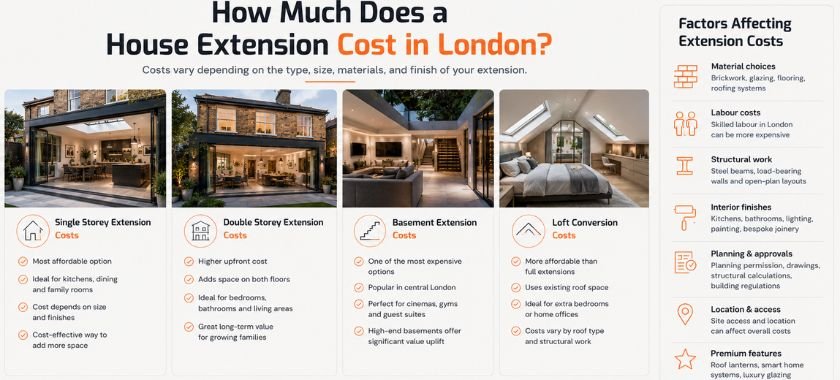
Prices for house extensions in London vary depending on the type of extension, its size, the materials used, the level of design complication, and the standard of finish. Luxurious fittings, structural changes, and high-end glazing systems can all add to the total cost.
Single Storey Extension Costs
Single-storey extensions are usually the cheapest way to extend your home.
- Suitable for kitchen extensions, dining, and family rooms.
- Costs will depend on the area and quality of finishes.
- Bi-fold doors, skylights, and underfloor heating can all bump up the price.
- One of the most cost-effective extension options for houses.
Double Storey Extension Costs
Initial costs are higher with a double-storey extension; however, they may offer greater long-term value per square metre.
- Gain usable space upstairs and downstairs.
- Typically used for extra bedrooms, bathrooms, or an extended kitchen/living area.
- Needs a stronger foundation and more extensive structural work.
- Potential for a substantial increase in the overall value of a family home.
Basement Extension Costs
Basement extensions are often one of the most costly forms of house extension, as they require excavation and waterproofing.
- High in demand in central London, where there is little scope to expand outside.
- Popular for luxury home cinemas, gyms, guest suites, or entertainment rooms.
- The major contributors to the cost are structural engineering and drainage systems.
- Premium properties can see significant value uplift from high-end basement developments.
Loft Conversion Costs
Loft conversions tend to be more affordable than full extensions, as they take advantage of existing roof space.
- The most popular types of loft conversions are dormer, mansard, and hip-to-gable.
- They’re great for adding extra bedrooms, home offices, and studios.
- Prices can vary depending on the structure of your roof and whether you need additional structural steelwork.
- Installing an ensuite bathroom or bespoke storage can increase the project’s cost.
Factors Affecting Extension Costs
- Material choices such as brickwork, glazing, flooring, and roofing systems.
- Labour costs, especially in London where skilled construction work can be more expensive.
- Structural steel requirements for removing load-bearing walls or creating open-plan layouts.
- Interior finishes including kitchens, bathrooms, lighting, painting, and bespoke joinery.
- Planning permission costs, architectural drawings, structural calculations, and building regulation approvals.
- Site access limitations and property location may also affect labour and construction costs.
- Premium features such as roof lanterns, smart home systems, and luxury glazing can increase the final budget.
Do You Need Planning Permission for a House Extension?
Before starting any extension project, homeowners should understand the planning and legal requirements involved. While some extensions can be built under permitted development rights, others require formal planning approval from the local council.
Extensions Under Permitted Development
- Some house extensions can be built without full planning permission, thanks to permitted development rights.
- Permitted development normally covers extensions which conform to certain rules about their size, height, materials, and distance from boundary lines.
- Many rear and side extensions can comply with these rules as long as they do not exceed the permitted size.
- Your permitted development rights depend on the type of property you have and where it is located.
When Planning Permission Is Required
- Major extensions, double-storey additions and buildings in conservation areas will usually need planning permission.
- Listed properties will often need additional consents before you start any work.
- There are also stricter rules if you’ve already extended your home.
- You must also be aware that the rules can vary according to your local council’s policies in the different London boroughs, which is why getting professional advice is so important.
Building Regulations Explained
- Building regulations approval is required for almost all house extension projects, even if planning permission is not needed.
- Regulations ensure the extension meets safety, energy efficiency, ventilation, fire protection, and structural standards.
- Inspections are usually carried out during different construction stages to ensure compliance.
- Proper approval is essential for future property sales and insurance purposes.
Party Wall Agreements
- A party wall agreement may be required if construction work affects a shared wall or boundary with neighbouring properties.
- This is especially common in terraced and semi-detached houses across London.
- The agreement helps prevent disputes and outlines responsibilities during construction.
- Professional surveyors are often involved to manage the process properly.
How to Choose the Right House Extension Design
Designing an extension goes beyond adding physical space. A well-planned and executed extension can enhance functionality and aesthetics, seamlessly integrate with the existing property, and align with long-term lifestyle requirements.
- Design should complement the original property’s architectural style to create a cohesive, balanced look.
- Incorporating natural light through skylights, roof lanterns, large windows, and glass doors can transform the feel of the space.
- Planning for the future and considering how spaces will be used in the coming years is crucial for a successful extension.
- Designs should be practical, considering everyday use and needs, not just visual appeal.
- Thinking about future resale value can also guide design decisions to maximize the investment.
- Trends show open-plan layouts, flexible spaces, and energy-efficient features appeal to today’s buyers.
- Collaborating with architects, designers, and builders with experience in home extensions can help avoid mistakes and create a seamless construction process.
Why Choose LB Group for House Extensions in London?
At LB Group, we specialise in creating high-quality house extensions that combine functionality, modern design, and long-term value. Whether you are planning a rear extension, loft conversion, wrap around extension, or complete home transformation, our experienced team delivers tailored solutions designed around your lifestyle and property goals.
1. Experienced house extension specialists with extensive knowledge of London properties and planning requirements.
2. Complete end-to-end project management from design and planning through to construction and finishing.
3. Transparent pricing with clear quotations and no hidden surprises during the project.
4. Bespoke extension designs tailored to your property style, budget, and living requirements.
5. High-quality workmanship using durable materials and modern construction techniques.
6. Fully insured and professionally managed construction team focused on safety and reliability.
7. London-wide coverage across a wide range of residential extension and renovation projects.
8. Strong focus on customer satisfaction, communication, and delivering projects on time and within budget.